
Co-Creating Solutions for Financial Inclusion
The Impact Innovation Summit and Challenge Labs used research, stakeholder engagement and Design Thinking to turn a complex national challenge into practical, user-centred concepts.
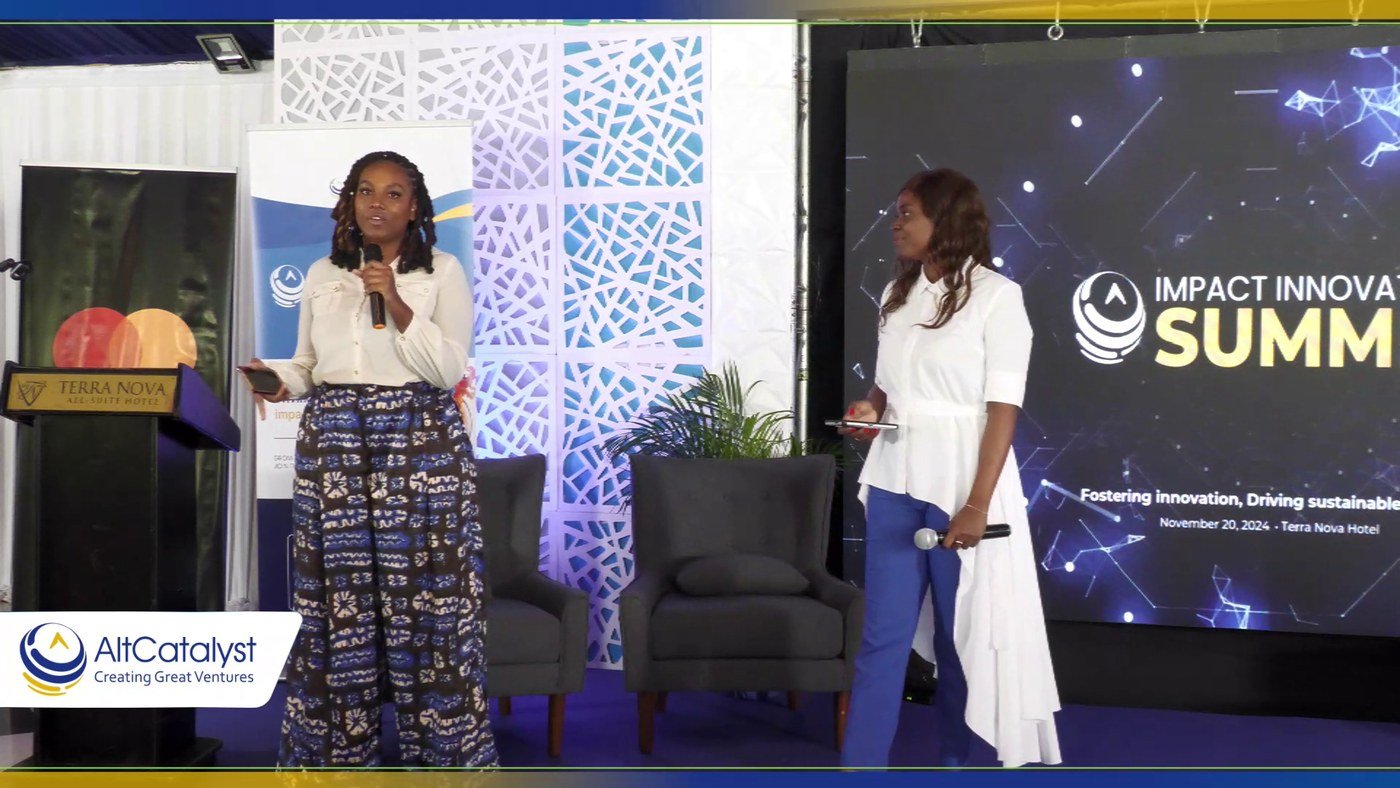
AltCatalyst Impact Innovation Summit | Montego Bay, Jamaica | November 2024
Paul Bèl Kay role: Summit direction, project management, vendor research, stakeholder engagement and challenge-framing support.
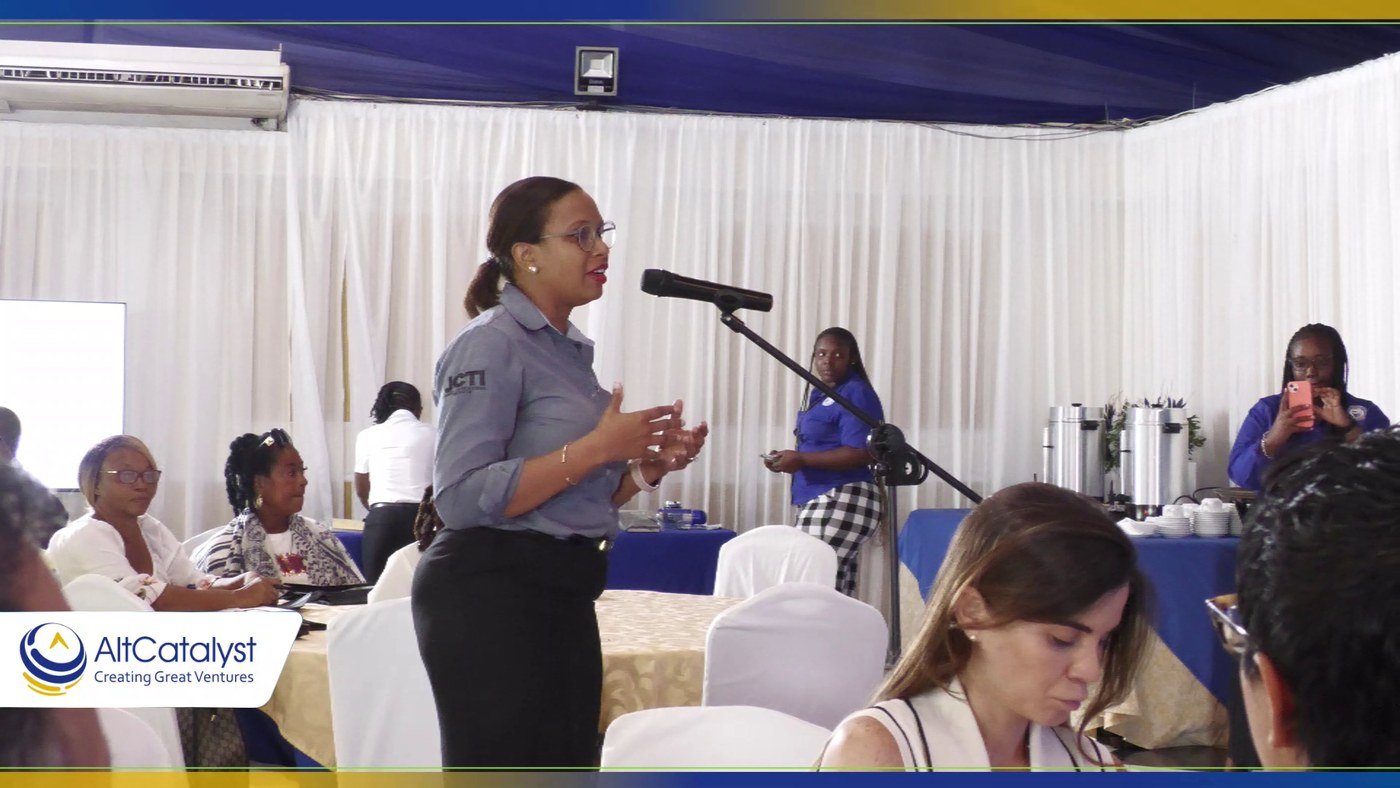
The Challenge
Financial exclusion in Jamaica cannot be addressed through technology alone.
Artisans and informal micro-business owners face overlapping barriers, including limited access to suitable financial products, weak digital capability, restricted market reach and solutions that are too often designed without sufficient user input.
The Summit therefore required a process that placed the experiences of vendors at the centre of problem definition and solution design.
Research Before Ideation
Ahead of the Summit, Paul Bèl Kay worked with research and institutional partners to build a stronger evidence base for the Challenge Labs.
The process included stakeholder interviews, a survey of 122 Harbour Street Market vendors and focused discussions designed to reveal operating conditions, financial barriers, digital-readiness gaps and vendor aspirations.
The Challenge Lab Process
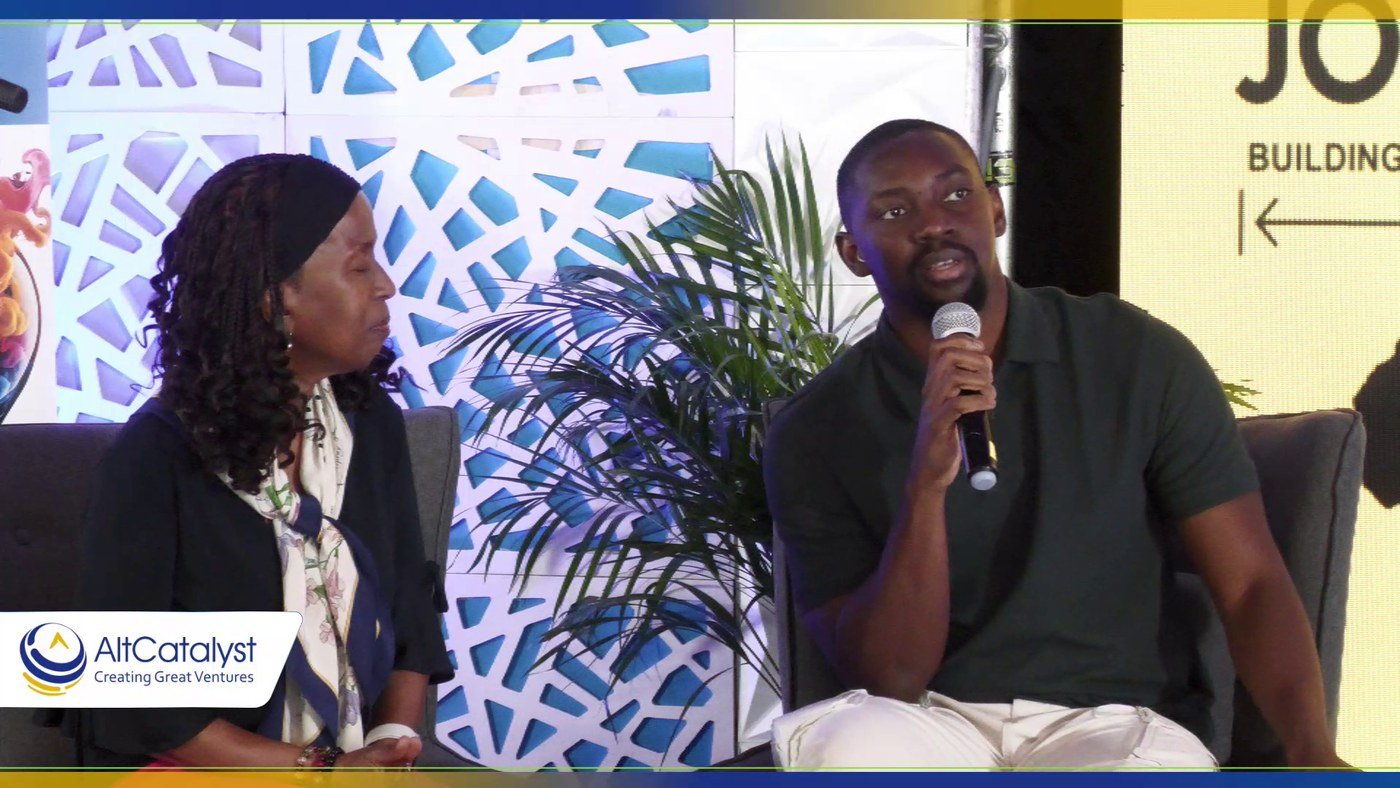
During the Summit, participants from the artisan, technology, policy, financial and innovation communities worked through a facilitated Design Thinking process.
The Challenge Labs moved participants from shared understanding to idea generation, concept development and the testing of key assumptions.
Rather than presenting stakeholders with a predetermined solution, the process enabled the people closest to the challenge to shape the proposed response.
Empathise
Use interviews, survey findings and lived experience to understand the realities facing artisans and micro-business owners.
Define
Reframe financial exclusion as a connected challenge involving finance, technology, skills and market access.
Ideate
Bring diverse participants together to generate possible business models and support interventions.
Prototype
Translate the strongest ideas into practical concepts that stakeholders could assess and improve.
Test
Challenge assumptions, gather feedback and identify the requirements for further pilot development.
Solutions Explored
Digital Marketplace Access
An online route connecting artisans with customers beyond their immediate physical market.
Digital Capability
Training and support enabling artisans to use digital platforms and tools more effectively.
Financial Inclusion Services
Partnerships with financial institutions to improve access to relevant payment, savings and lending products.
Collaborative Pilot Development
A pathway for testing the proposed model with users and delivery partners before broader implementation.
These solutions were explored and proposed through the Challenge Lab process. They have not yet been delivered as completed outcomes.
The Value Created
The engagement established a collaborative platform for artisans, public institutions, technologists and financial organisations to address financial inclusion as a shared design challenge.
It also demonstrated how structured research and facilitated co-creation can produce stronger, more grounded concepts than isolated institutional planning.
Delivered Alongside
Designing a Solution With the People It Affects?
Tell us about the challenge you're facing. We will help you bring the right stakeholders together and design a practical, human-centred path forward.